Getting leads is one thing, but figuring out which ones to pursue is another. Businesses receive hundreds or thousands of enquiries, but not every individual is ready to buy, or every enquiry is a good fit. This is where AI lead qualification makes the real difference.
With the help of AI, businesses are able to maximize their understanding of what prospects need, recognize signs of buying intent, and identify which enquiries deserve closer attention. Instead of treating every lead in the same way, sales teams can make more informed decisions regarding whom to prioritize, nurture, and when to step in with the right conversation.
What is AI Lead Qualification?
AI lead qualification is the process of using artificial intelligence to assess whether a prospect is a good fit for a business and how ready they may be to move forward. Using available lead information, responses, and predefined qualification criteria, it helps businesses understand each prospect’s needs and potential.
A qualified lead is not necessarily ready to buy immediately. A prospect may match the business’s target customer profile but still be researching available options. Another may show strong interest but need a solution that the business cannot provide. Understanding both situations helps sales teams make better-informed decisions about which leads to prioritize and which may need further nurturing.
How Does AI Lead Qualification Work?
AI lead qualification helps businesses move from collecting enquiries to understanding which prospects are worth pursuing. The process typically involves gathering relevant prospect information, evaluating it against predefined criteria, and using the results to guide the next action.
Gathering Relevant Information
This is the first step to understand what the prospect is looking for. AI can ask relevant questions about their needs, challenges, intended use case, and expected timeline, using information already provided to avoid unnecessary repetition.
For example, a business offering customer engagement software might ask a prospect which channels they use to handle enquiries and what problems they want to solve. The responses provide context for evaluating whether the solution is suitable.
Assessing Customer Fit and Buying Readiness
Next, the available information is evaluated against predefined qualification criteria. These might include industry, company size, business requirements, budget where relevant, and purchasing timeline.
A prospect may be an excellent fit but still be researching options. Whereas another may want to buy soon but need a solution the business does not offer. Considering both fit and readiness helps sales teams make more informed decisions.
Determining the Next Action
Based on the assessment, AI helps businesses figure out which prospects may need sales attention, further qualification, or continued nurturing. When supported, it can also summarize the information gathered and suggest a next step for the sales team.
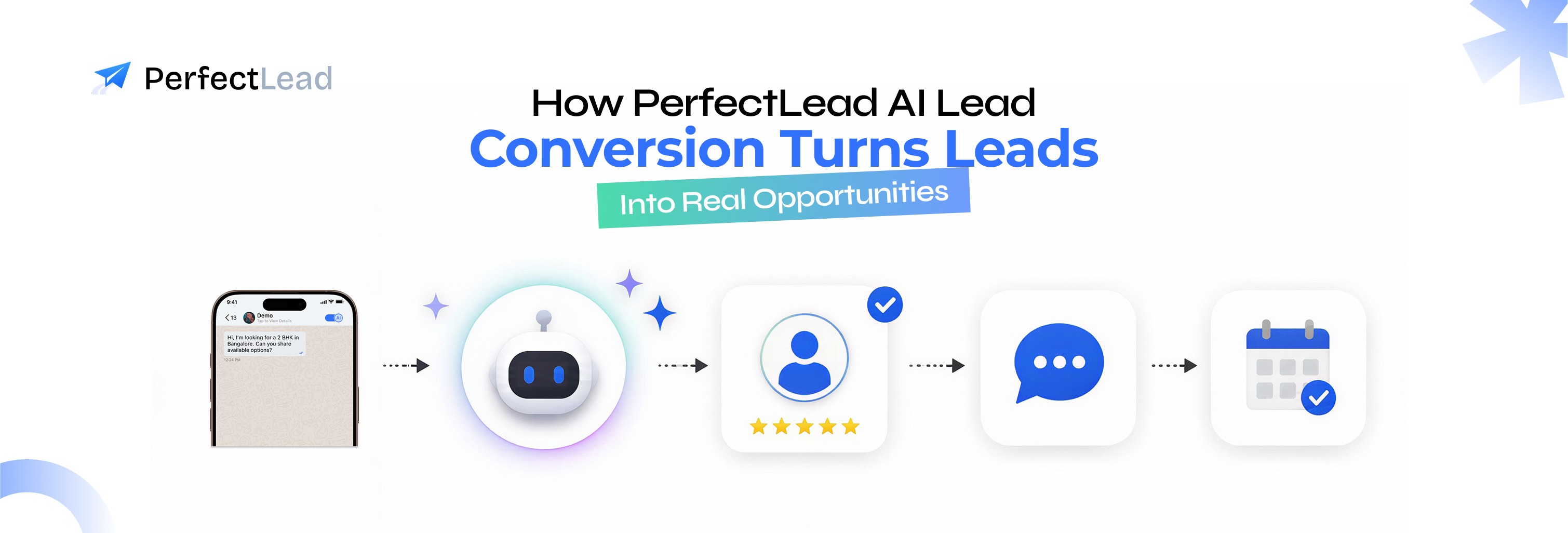
The aim is to give businesses a clearer understanding of each lead so they can decide what should happen next. With PerfectLead, businesses can use WhatsApp AI automation and Voice AI to engage with leads, gather required information, and support their qualification through conversations.
Which Signals Help AI Identify High-Intent Leads?
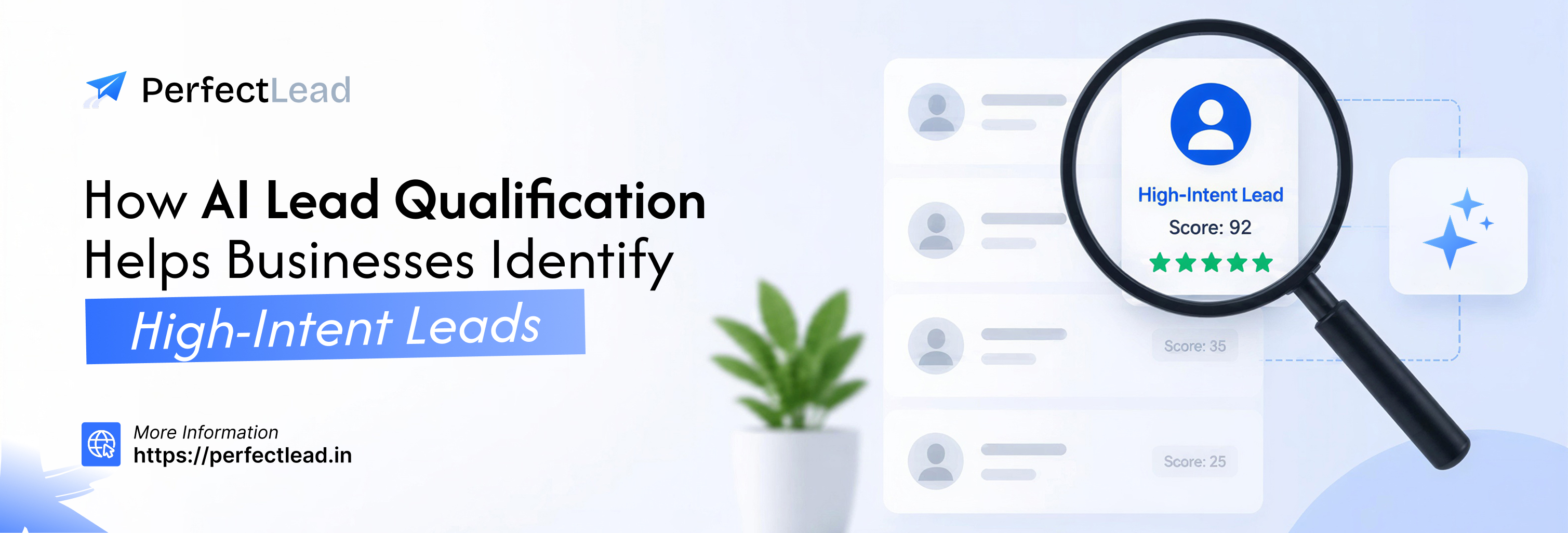
Not every lead reveals how close a prospect is to making a decision. The key is to recognize signals that show genuine interest in finding a solution and evaluate them in the context of the prospect’s needs.
Four signals can help businesses identify high-intent leads:
- Specific Business Needs: A prospect explains a problem they need to solve and how it affects their current operations.
- Product-Related Questions: Enquiries about pricing, integrations, features, or implementation can indicate active consideration, particularly when linked to a clear requirement.
- Purchase Timelines: A prospect shares when they plan to implement a solution or asks about the steps involved in getting started.
- Meaningful Engagement: Repeated, relevant interactions, such as requesting a demo or discussing specific requirements, can indicate stronger interest than casual browsing alone.
In this, AI can help interpret these signals alongside available lead information to support prioritization. Sales platforms such as HubSpot and Salesforce also use buying and engagement signals to help teams identify prospects for further attention.
For example, a prospect who questions pricing, explains an immediate business need, and requests implementation details may warrant faster sales follow-up than someone who only visits a product page.
However, no single signal guarantees a sale. Businesses should consider the full context, since buying behaviour varies across industries and sales cycles.
AI Lead Qualification vs. AI Lead Scoring
Both AI lead qualification and AI lead scoring serve different purposes, but they can work together to help businesses prioritize sales opportunities.
AI lead qualification evaluates whether a prospect’s needs, requirements, and customer profile align with what a business offers. AI lead scoring, on the other hand, assigns scores based on selected characteristics and behaviours to help rank prospects by their potential value or level of engagement.
For example, a prospect might interact frequently with a business’s website but need a solution that does not match its services. Another prospect might visit less often but have a clear business requirement and a suitable budget.
Looking at engagement alone could make the first prospect appear more promising. Combining qualification criteria with AI lead scoring can give sales teams a more balanced view of which leads deserve attention first.
The key is to assess both customer fit and buying interest rather than relying on a score alone.
How Can Businesses Build an Effective AI Lead Qualification Process?
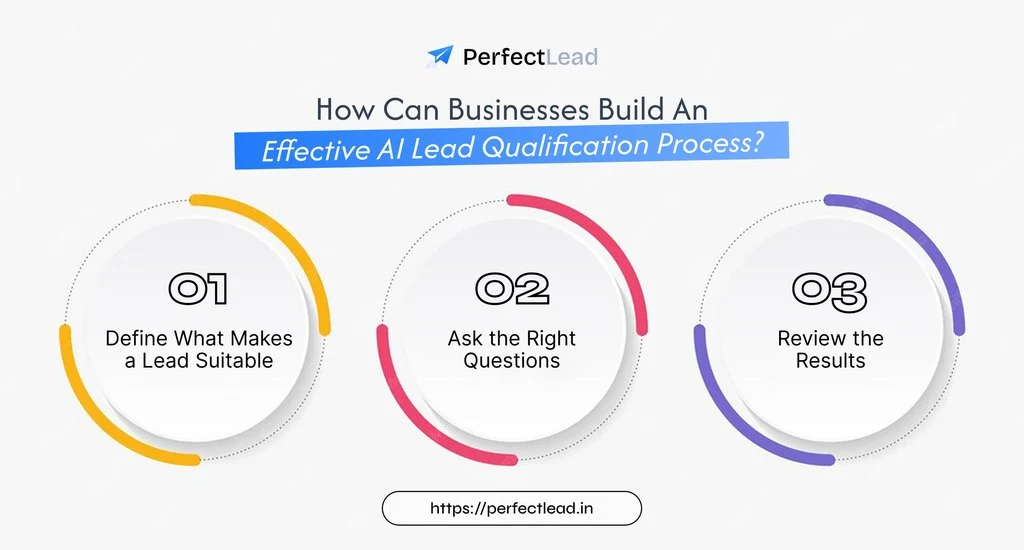
AI lead qualification works best when businesses know what makes a prospect a good fit. A few simple practices can help them get better results.
Define What Makes a Lead Suitable
Identify the types of customers your business can help, the problems you solve, and the requirements a prospect should meet. This gives AI a clear basis for evaluating enquiries.
Ask the Right Questions
AI should ask questions that help it understand a prospect’s needs, budget, or buying timeline where relevant. Keep the conversation natural and avoid asking for information the prospect has already shared.
Review the Results
Check whether the leads identified as promising actually become good sales opportunities. Use feedback from your sales team to improve the qualification criteria when needed.
These steps help businesses make more consistent decisions and focus their attention on prospects who are more likely to benefit from their offerings.
How WhatsApp AI and Voice AI Help Qualify Leads
AI can help businesses understand incoming enquiries by gathering relevant information through messaging and voice conversations. As part of an AI lead conversion strategy, these interactions help businesses identify promising prospects, respond to their needs, and guide suitable leads toward the next step in the sales process. The questions and evaluation criteria should reflect what makes a prospect suitable for the business.
Qualifying Leads Through WhatsApp
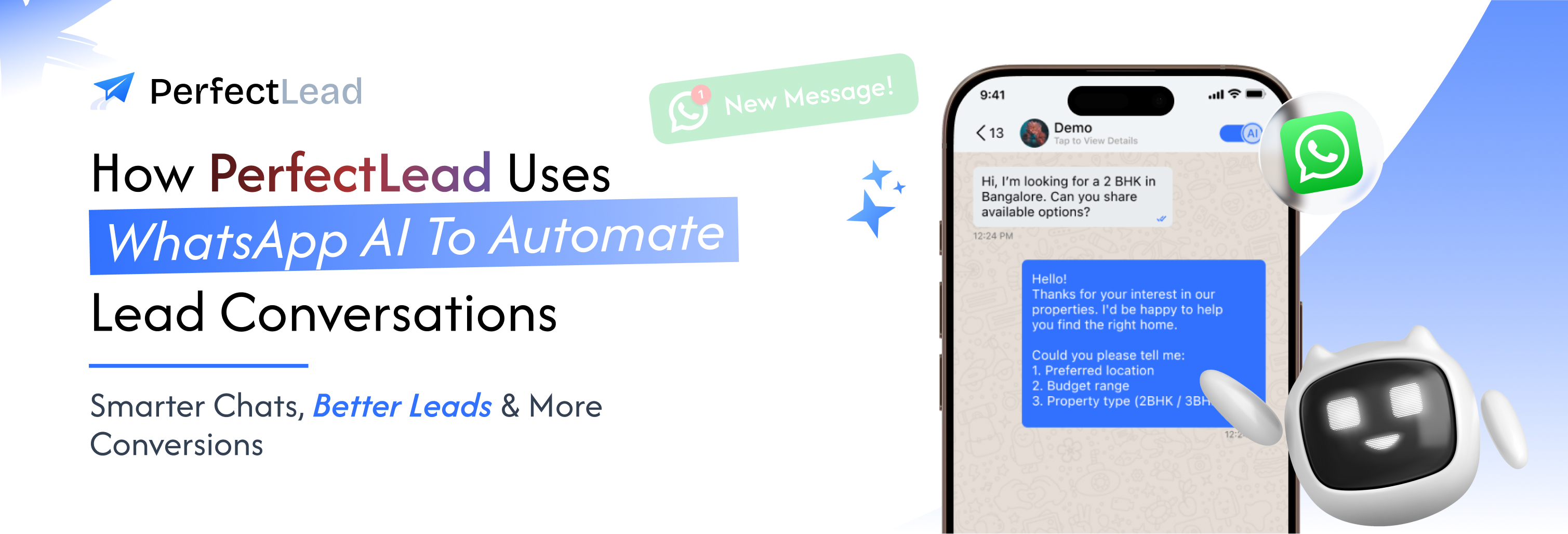
WhatsApp AI can ask relevant questions, understand a lead’s responses, and capture details such as budget, requirements, and preferred solutions. This gives businesses useful information to assess whether an enquiry matches their offerings.
For example, a real estate company can use a WhatsApp AI agent to ask about a prospect’s preferred location, budget, and property type. The answers help its sales team determine whether the prospect matches its available properties.
Qualifying Leads Through Voice Calls
Voice AI can gather similar information through spoken conversations. Depending on its configuration, it can ask about a prospect’s needs, understand their responses, and assess how closely their requirements match the business’s services.
For example, a software development company can use Voice AI to understand a prospect’s project requirements, expected budget, and intended timeline. This gives the sales team useful context before a detailed discussion.
Prioritize the Leads That Matter
Help your sales team identify high-intent prospects, qualify enquiries, and focus on opportunities that fit your business.
What Happens After a Lead Is Qualified?
Once a lead has been assessed, the results should guide the next business decision.
- Suitable and Ready: Prioritize the lead for sales attention and discuss the next steps.
- Suitable But Not Ready: Continue relevant engagement and provide information that helps the prospect evaluate their options.
- Incomplete or Unsuitable: Gather missing details, review the enquiry, or redirect it to a more appropriate offering or team.
Not every lead should be handled entirely by AI. If a prospect has complex requirements, raises concerns that need careful consideration, or wants to discuss pricing and commercial terms, a human team member should step in. This ensures the prospect receives appropriate guidance while the sales team retains control over important decisions.
Conclusion
AI lead qualification helps businesses look beyond initial interest to understand a prospect’s fit, requirements, and buying signals. PerfectLead’s WhatsApp AI and Voice AI can help gather relevant information through conversations, giving sales teams better context to prioritize promising leads and make each sales interaction more relevant.
Frequently Asked Questions
What Is AI Lead Qualification?
AI lead qualification uses artificial intelligence to assess whether a prospect fits a business’s target customer profile and shows signs of buying interest, based on available information and conversation responses.
How Does AI Identify High-Intent Leads?
AI can evaluate signals such as specific requirements, budget discussions, purchasing timelines, and requests for detailed information. These signals can indicate buying interest, but they do not guarantee that a prospect is ready to purchase.
What Is the Difference Between Lead Qualification and Lead Scoring?
Lead qualification evaluates a prospect’s suitability and buying readiness. Lead scoring assigns numerical values to selected characteristics or actions to help businesses compare and prioritize leads.
How Does AI Lead Qualification Help B2B Sales Teams?
AI lead qualification helps B2B sales teams assess prospects based on their business needs, customer fit, and buying readiness. This allows teams to prioritize promising opportunities and tailor their follow-ups more effectively.